
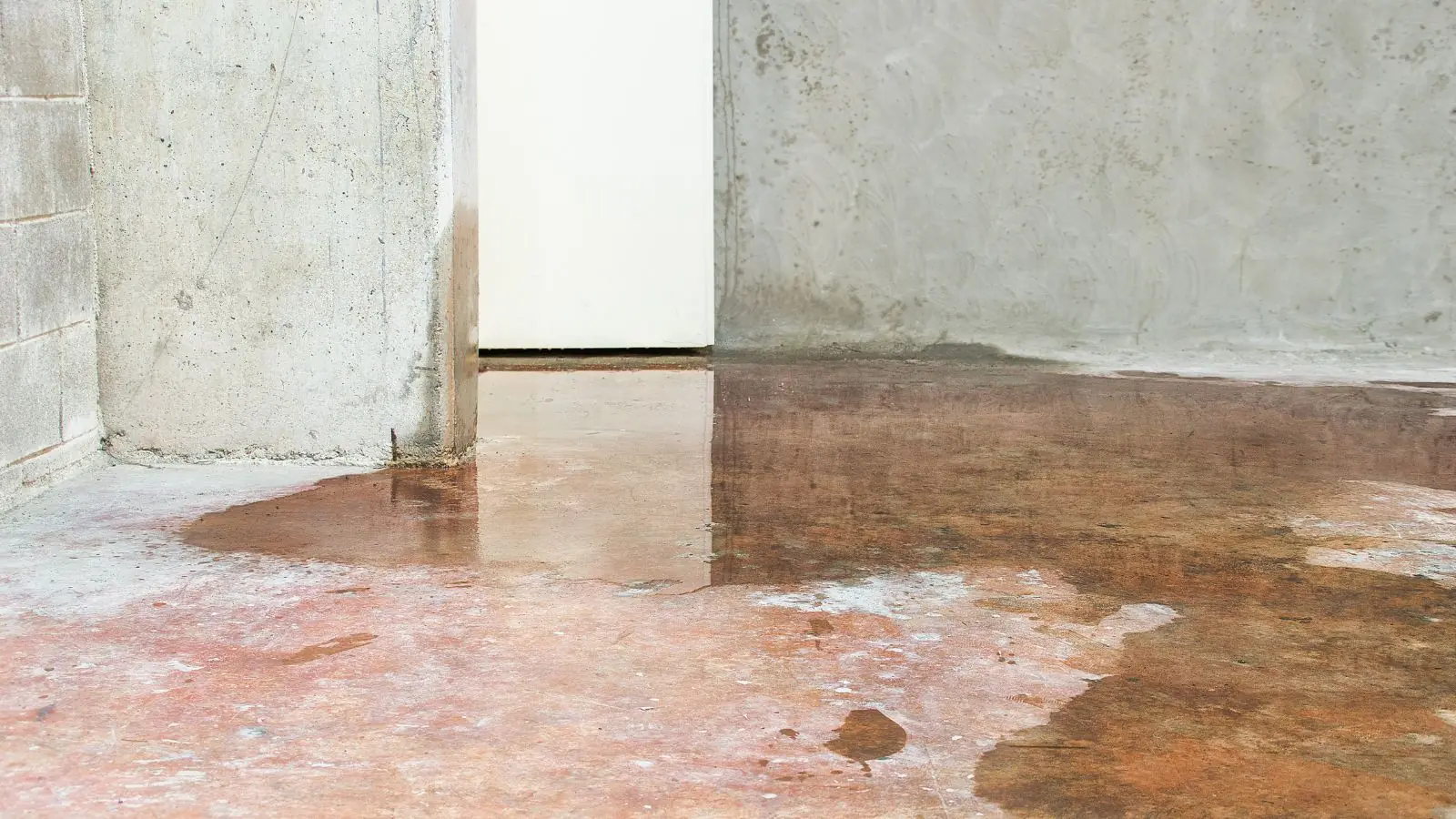
Commercial water losses are different from home losses. The floors are larger, the building systems are more complex and the clock is set by deliveries, customers and payroll. A leak after hours can mean a flooded floor by morning.
Our process is built for fast triage. We identify the source, protect critical areas, extract water and set a drying plan that fits your operating needs. Records are kept from day one so owners, tenants and insurers see the same facts.
What to do when a business floods
- Stop the source if you can, and keep staff and customers out of wet areas.
- Photograph the damage and protect inventory, files and electronics by moving them to dry spaces.
- Contact the property owner or manager if you lease, and have your policy number ready.
Emergency Commercial Water Damage: Triage First
The first call is about priorities. What must stay open, what can wait and what is at risk. A crew can move inventory, protect servers and isolate affected rooms while extraction begins.
Open floor plans let water travel far. Concrete floors, warehouse docks and suspended ceilings each handle water differently. The plan follows the building, not a template.
ANSI/IICRC S500 applies to commercial buildings as well as homes, and its emphasis on documentation helps when owners, tenants and insurers all need the same facts.
Types of Commercial Properties We Handle
Retail and restaurants
Storefronts and kitchens have supply lines, grease traps and floor drains that fail. Water in a dining room or sales floor affects customer areas and food storage.
Offices and clinics
Suspended ceilings, carpet tile and drywall partitions hold water. Computers and records are the main concern, and quiet drying schedules matter.
Warehouses and light industrial
Large slabs and racking systems make extraction and drying a logistics job. Middletown has a long industrial history, and many buildings have older roofs and floor drains.
Multi tenant and apartment buildings
A leak in one unit can reach several. Clear records of the source and the path help owners and tenants sort responsibility.
Drying a Large Space
Commercial drying often needs more airflow, more dehumidification and more power than a house. Crews plan circuits, check electrical capacity and place equipment so work can continue where possible.
Moisture mapping is run across floors, walls and ceiling tiles. Wet ceiling tiles and insulation are removed because they hold water above your head. Carpet tile can often be lifted, dried and reinstalled if the water was clean.
| Material | Often saved | Often removed. |
|---|---|---|
| Concrete slab | Yes, dried in place | Rarely. |
| Carpet tile | Yes if water was clean | If contaminated or glued down. |
| Ceiling tile | Rarely | Usually replaced. |
| Drywall partitions | If dried quickly | If saturated or sagging. |
| Pallet racking and goods | Case by case | Cardboard and porous stock. |
Documentation for Owners, Tenants and Insurers
We record the source, the path of the water, moisture readings and equipment. Photos are taken before and after work. That record supports claims and helps resolve questions between owner and tenant.
Lease terms and policies differ. Check who is responsible for the building and who is responsible for contents. We do not make coverage decisions, but our records help whoever does.
Planning Around Operations
Some businesses can close for a few days. Others cannot. We discuss which areas can be sealed off, which can be dried at night and which need quick turnaround. Phased work keeps part of the building open.
Noise, power use and walkways are part of the plan. Cords and hoses are routed to keep exits clear, and signs mark wet areas.
Tell us about delivery times, customer hours and security. We build around them.
Protecting Records and Equipment
Paper files, electronics and inventory suffer quickly in water. Move them to dry spaces first and elevate items off the floor. Do not turn on wet electronics. Cardboard stock absorbs water and may be lost, so photograph it for your records.
For critical records, call your IT or records provider. We can help with moving and drying the structure while they work on data.
A written inventory with photos is the strongest support for a business claim.
What Affects the Cost of Commercial Water Damage Restoration
Scope and price are explained before work starts. The main factors are below.
- Square footage and the number of floors affected.
- Water category and source.
- Materials such as ceiling tile, carpet tile and drywall.
- Equipment and power needs.
- After hours or phased work to keep the business open.
- Contents handling and inventory protection.
Tell us about the building, the source and what must stay open.
Call (844) 950-6900Commercial Water Damage questions
Yes. The line is open around the clock for businesses in Middletown. Same-day response is offered when available.
Often yes in unaffected areas. We plan containment, equipment placement and schedules around your operations.
It depends on the lease and the cause. We document the source and the damage so the right party can address it.
It depends on the building size, materials and equipment time. We explain the scope and price before work starts.
Commercial policies vary. Some include business interruption coverage. Check your policy and talk with your agent.
Where we dispatch
We serve Middletown businesses and nearby Trenton and Franklin. For source specific details see burst pipes and flood cleanup.