
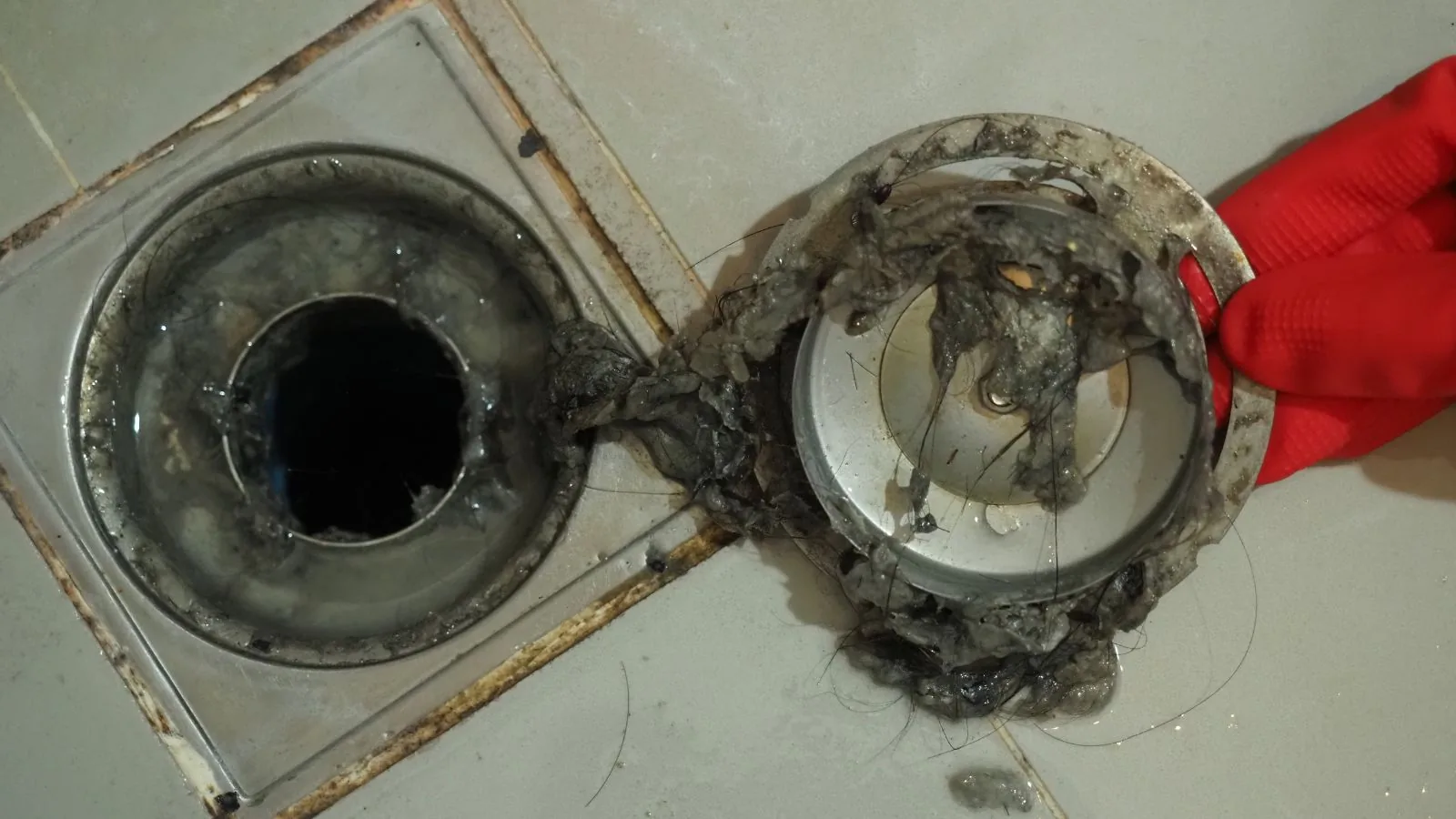
Sewage backup is classified as Category 3 water. It can carry bacteria, viruses and parasites, so it is never a do it yourself job. Protective gear, containment and proper disposal are part of the work.
A backup usually comes from a clog in the main line, a failure in the municipal system or heavy rain overwhelming drains. The cleanup is the same either way. Remove the contaminated water, take out materials that cannot be cleaned and disinfect what remains.
If sewage is coming up from a drain
- Stay out of the water and keep children and pets away.
- Stop using sinks, tubs, toilets and washers so you add no more to the line.
- Turn off power only if the panel is dry and reachable, then call.
Raw Sewage in the House and You Are Not Sure What to Do?
Water coming up from a floor drain, toilet or tub that smells like sewage is a sewage backup. It is not the same as clean water from a pipe. Treat it as contaminated until a professional says otherwise.
Cleaning it up safely uses Category 3 procedures. That means protective equipment, controlled work areas and approved disinfection. This page explains what those steps look like.
ANSI/IICRC S500 defines Category 3 water as grossly contaminated, and its guidance for that category is the basis for removing porous materials and disinfecting what remains.
What Category 3 Water Means for Your Home
Category 3 water is grossly contaminated. Porous materials that touch it, such as carpet, pad, insulation and drywall, are typically removed and discarded. Hard surfaces and structural wood can usually be cleaned and disinfected.
The industry standard for these procedures is ANSI/IICRC S500, which describes water categories and classes. We follow its approach to handling and drying.
| Material | Usual decision | Reason. |
|---|---|---|
| Carpet and pad | Remove and replace | Porous and hard to disinfect. |
| Drywall low on the wall | Cut out | Absorbs contaminated water. |
| Concrete floor | Clean and disinfect | Non porous surface. |
| Framing lumber | Clean, disinfect and dry | Solid wood can be treated. |
| Upholstered furniture | Usually discard | Cannot be disinfected fully. |
The Gap Between Unclogging the Line and a Safe Home
A plumber clears the line, and that is only part of the fix. The floor, walls and air still carry the effects of the spill. Skipping the cleanup stage leaves odor and health risk behind.
We pick up where the plumber leaves off. Crews remove the water, discard contaminated materials, clean and disinfect hard surfaces and dry the structure.
- Safety assessment and containment of the affected area.
- Extraction of contaminated water.
- Removal of porous materials that cannot be cleaned.
- Cleaning and disinfection of hard surfaces.
- Drying with air movers and dehumidifiers.
- Final checks and a repair scope.
Emergency Sewage Backup: Why Speed Matters
Contaminants spread to every surface the water touches. The longer it sits, the more material it reaches and the stronger the odor. Waiting also raises the chance that mold begins on wet porous items.
If the backup came from the city main, other homes may be affected. Report it to your sewer utility. Photograph the spill and any damaged items before cleanup for your records.
Why Sewage Backs Up After Heavy Rain
During large storms, rainwater enters sewer systems through cracks and illegal connections. When pipes run at capacity, water looks for the lowest opening. In many homes that is a basement floor drain or a first floor tub.
A backwater valve on the sewer line can reduce the risk. A plumber can tell you whether one is installed and how to maintain it. If you have a sump pit, keep it separate from sanitary lines.
Protecting Yourself While You Wait
Keep children and pets out of the area. If you must walk through, wear waterproof boots and gloves and wash well afterward. Do not eat or drink in the affected room.
Close doors to contain the area and keep air handlers off if they pull air from the affected space. Bag nothing yet, since contaminated items need to be documented and disposed of in a safe way.
When the crew arrives they will explain the containment plan and what will be removed.
What Affects the Cost of Sewage Backup Cleanup
The scope and price are explained before work starts. The main factors are below.
- Area and depth of contamination.
- Amount of carpet, pad and drywall to remove.
- Containment and protective equipment needs.
- Disinfection and deodorizing.
- Drying equipment days.
- Plumbing repair or line clearing, billed by the plumber.
Tell us how far the water spread and we will explain the steps.
Call (844) 950-6900Safe handling of wastewater at home is also covered on our Amanda neighborhood page.
Sewage Backup Cleanup questions
Yes. Sewage is a health risk and spreads fast. The line is open around the clock for backups.
It is not recommended. Protective gear, containment and disposal are needed to avoid exposure. A professional crew follows safe procedures.
Usually yes once contaminated materials are removed, surfaces are cleaned and the structure is dried. Odor that remains often points to hidden wet material.
Report it to your sewer utility and call us for cleanup. Take photos for your records.
It depends on the area, materials and equipment time. We explain the scope and price before work starts.
Many standard policies exclude sewer backup unless an endorsement was added. Check your policy or ask your agent.
Where we dispatch
We serve Middletown, Trenton and Franklin. For flood events see flood damage cleanup, and for below grade rooms see basement water damage.