
Structural drying is the process of removing moisture from the materials that make up a building. It happens after standing water is extracted and before repairs begin. It is the step that keeps small water events from turning into mold and rot.
Drywall, studs, subfloor and insulation hold moisture long after a floor looks dry. Without measurement and equipment, you are guessing. Meters, a thermal camera and a written drying plan replace guessing.
What to do if the surface looks dry but you doubt it
- Run the air conditioner or a dehumidifier while you wait.
- Open closet doors and move furniture off wet floors.
- Do not close up or paint walls until moisture readings are taken.
The Wall Feels Damp and the Floor Looks Dry. Now What?
Damp walls, cold spots on floors, bubbled paint and musty smells often mean the structure still holds water. The surface can dry in hours while framing stays wet for weeks.
Structural drying is the trade name for what fixes that. It uses controlled airflow and dehumidification to pull moisture out of building materials, and meters to confirm it worked.
The ANSI/IICRC S500 standard sets out drying goals and monitoring, which is the reason we log daily readings and stop equipment only when materials reach the dry standard.
How Structural Drying Works
Measure first
Crews take baseline readings in wet and dry areas. A moisture meter reads wood and drywall, a thermal camera highlights cool wet zones and a hygrometer records air humidity. These readings become the drying goal.
Set the equipment
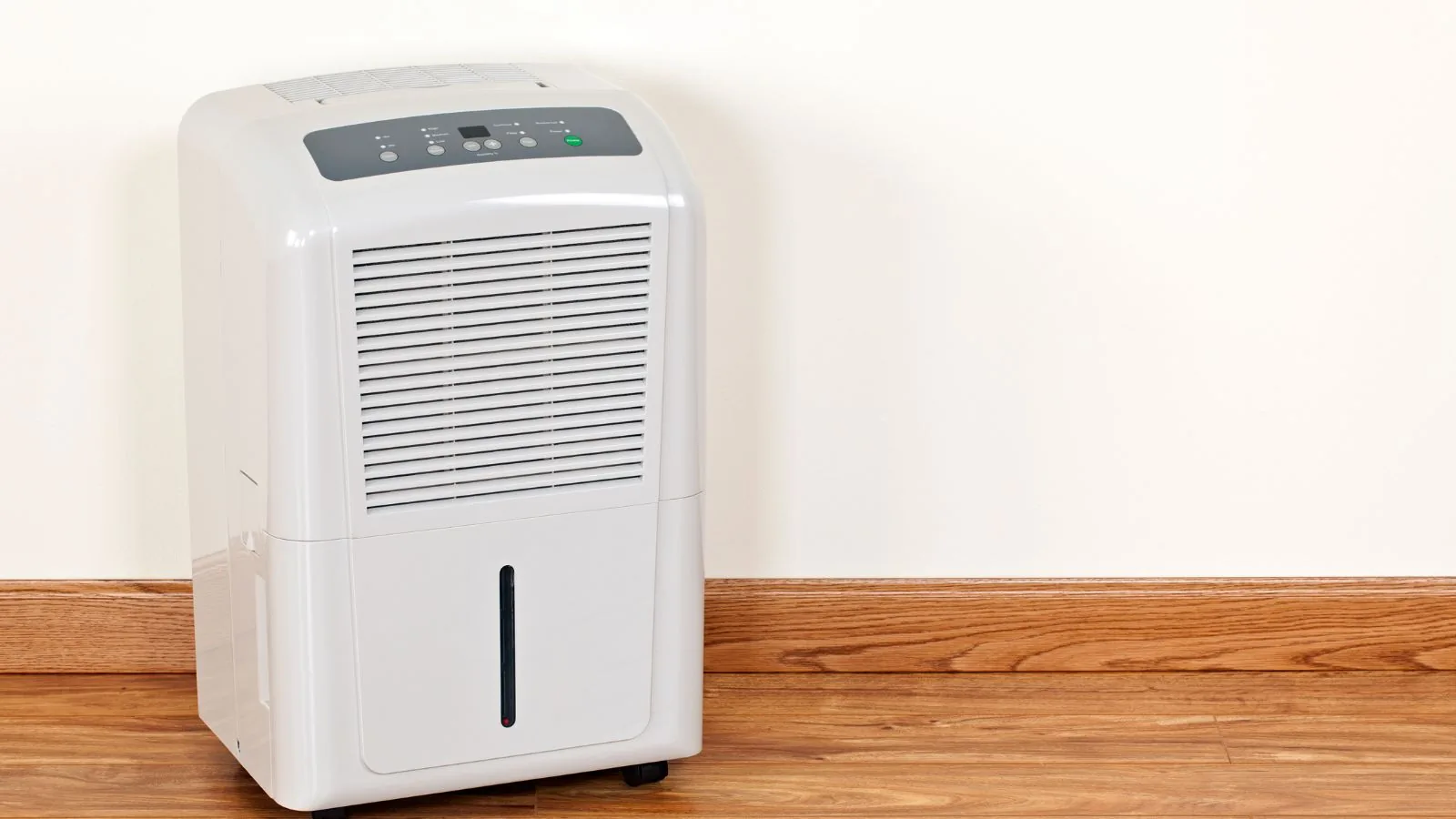
Air movers push dry air across surfaces. Low grain refrigerant (LGR) dehumidifiers pull water out of the air so the materials can release more. In tight or very wet spaces, desiccant units may be used.
Check every day
Readings are repeated daily. Equipment is moved, adjusted or removed based on the numbers. Drying stops only when materials return to the dry standard for that house.
Why Drying Takes More Than Fans
A box fan moves air but does not remove humidity. In a closed room it can raise the moisture content of the air. A dehumidifier is what removes water from the system.
Professional equipment is sized to the room. Too many air movers waste power, and too few leave wet spots. Placement follows the water path, not a one size rule.
| Equipment | Job | Notes. |
|---|---|---|
| Air mover | Moves air across wet surfaces | Placed along walls and floors. |
| LGR dehumidifier | Removes moisture from the air | Core of most jobs. |
| Desiccant dehumidifier | Works in cool or very wet spaces | Used in special cases. |
| Moisture meter | Reads wood and drywall | Daily readings guide the plan. |
| Thermal camera | Shows cool wet zones | Finds hidden moisture. |
The Bridge From Wet to Ready for Repair
After the water is out and before any rebuild, the structure has to reach drying goals. Closing walls over wet framing traps moisture and invites mold. A written record of readings shows when the structure is ready.
That record helps you, your contractor and your insurer. It replaces a guess with data, which is why we log every visit.
Drying Goals and How They Are Set
A drying goal is the moisture level that matches normal for that material in your home. Crews measure unaffected rooms for a baseline, since a house in Ohio in winter reads differently than one in summer. The goal is set from that baseline.
When the wet materials match the baseline, the structure is dry. That is the standard referenced in ANSI/IICRC S500. Reaching it before closing walls reduces the chance of hidden mold and warping.
Common Drying Mistakes
- Closing up walls or laying flooring before readings confirm dry.
- Running only box fans and leaving humidity high.
- Skipping wall cavities and cabinet bases.
- Pulling equipment because the room feels dry.
- Painting over stains without drying the board.
Each of these makes a short problem long. A written plan with daily readings avoids all of them.
What Affects the Cost of Structural Drying
Scope and price are explained before work starts. The main factors are below.
- Size of the affected area.
- Material types such as drywall, wood, concrete and insulation.
- Class of water damage and the depth it reached.
- Number of equipment days.
- Humidity and weather during the job.
- Access to wet cavities.
Describe what is wet and how long it has been.
Call (844) 950-6900Structural Drying questions
A moisture meter reading is the reliable way. Signs include musty smells, cool spots, bubbling paint and warped baseboards.
Many jobs take several days, though it varies with materials and water spread. The crew checks daily and stops when goals are met.
You can, but placement, sizing and measurement matter. Without readings, you may stop too soon or leave hidden wet areas.
It is noticeable and does draw power. Crews plan circuits and placement to reduce disruption and keep the work efficient.
It depends on the area and number of equipment days. We explain the scope and price before work starts.
If the water damage is a covered loss, drying is usually part of the claim. Check your policy and speak with your agent.
Where we dispatch
We serve Middletown, Trenton and Franklin. Drying usually follows water extraction and supports carpet and drywall repairs.