
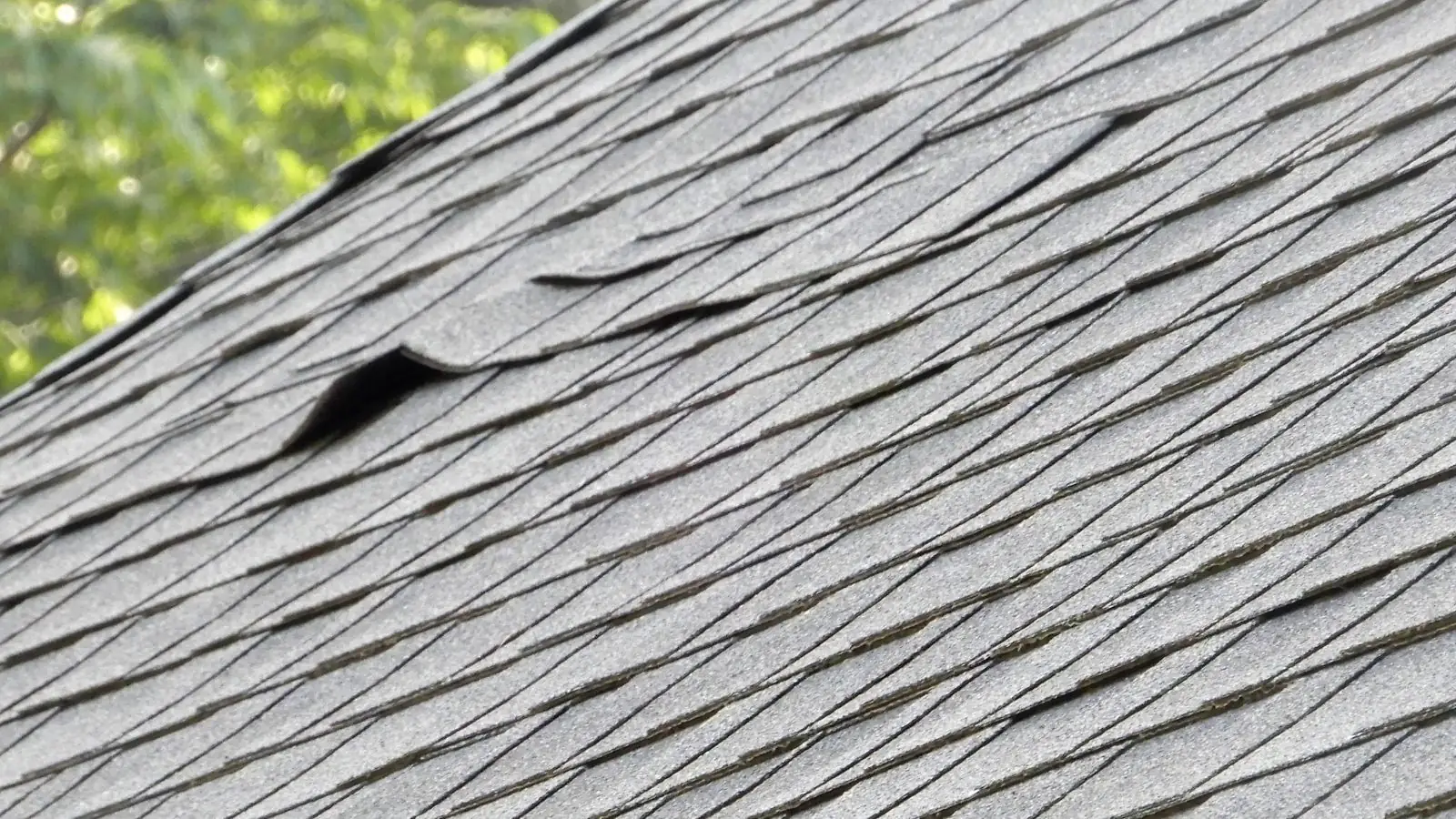
Storms test every seal on a house. Shingles lift in strong wind, flashing fails around chimneys and vents, and rain driven sideways pushes through window frames and siding.
The water that gets in rarely shows up where it entered. It runs along rafters, soaks insulation and appears as a stain two rooms away. Storm water cleanup starts with finding the path and getting the structure dry.
After a storm, before you do anything else
- Stay out of rooms with a sagging ceiling or water near light fixtures.
- Place buckets under drips and move belongings away from wet walls.
- Photograph roof damage from the ground, interior water and any broken windows, then call.
Emergency Storm Water Damage: First Hours
Protect people first. Keep clear of sagging ceilings and wet electrical fixtures. If the roof is open, a temporary cover from a roofer limits more rain from coming in while you arrange repairs.
Then reduce the water already inside. Move furniture, lift rugs and collect drips. Our crews extract the water, remove wet insulation and set drying equipment while the roofer works.
ANSI/IICRC S500 notes that outside water that touched soil or debris is handled differently from clean rain through a roof opening, which affects what is cleaned and what is removed.
How Storm Water Moves Through a Home
From the roof
Water enters at damaged shingles, flashing and vent boots. It runs down rafters and soaks insulation before it stains a ceiling. By the time the stain shows, the attic has been wet for a while.
Through walls and windows
Driven rain pushes past worn caulk and failed window trim. The water runs down the inside of the wall and collects at the bottom plate.
From the ground
Heavy rain can send surface water toward foundation walls and window wells. If drainage is poor, water enters low rooms. See our basement page for below grade cleanup.
Storm Water Versus Floodwater
Rain that enters through a roof is generally cleaner than ground water. Water that comes in from outside across soil is treated as contaminated. The difference changes what can be saved.
Insurance policies also treat them differently. Wind and rain damage through a damaged roof is often covered, while surface flood water often is not. Read your policy and ask your agent.
| Entry point | Typical sign | Next step. |
|---|---|---|
| Roof or flashing | Ceiling stain after rain | Temporary cover, then roof repair. |
| Window frame | Water on sill or wall below | Seal and dry the wall cavity. |
| Chimney | Staining near fireplace | Inspect flashing and cap. |
| Foundation wall | Damp basement wall | Improve drainage, dry the room. |
Local Storm Patterns and Practical Prep
Southwest Ohio sees thunderstorms, heavy rain and the occasional strong wind event. Clearing gutters before the season, keeping downspouts pointed away from the house and trimming limbs near the roof reduce risk.
Check your attic after a major storm. Look for dark insulation, daylight where there should be none and damp rafters. Early discovery limits the cleanup.
After storm checklist
- Photograph the roof and yard damage.
- Cover openings with a tarp if you can do it safely.
- Call a roofer for repairs.
- Call us for water removal and drying.
- Keep receipts for emergency repairs.
- Contact your insurer with your photos.
Attic and Insulation After a Storm
The attic is the first place storm water lands, and the last place most owners look. Blown in insulation clumps when wet, loses its value and stays damp for weeks. Wet roof sheathing darkens and can soften.
If you can reach the attic safely, look for stains on rafters, damp insulation and rusted nail tips. Photograph them. A roofer and an adjuster will both want to see them.
Crews remove saturated insulation and use dehumidification to dry the framing. New insulation goes in after the wood reads dry.
Documenting Storm Damage for a Claim
Dated photos from the ground, the attic and each wet room tell the story. Write down when the storm hit and when you found the water. Save receipts for tarps, repairs and meals if you had to leave.
Your insurer may send an adjuster. Walk them through the water path. Our moisture readings and equipment logs show what was wet and why materials were removed.
Keep wet materials until the adjuster has seen them unless they are a health risk.
What Affects the Cost of Storm Water Damage Cleanup
Scope and price are explained before work starts. The main factors are below.
- Amount of water that entered and how long it sat.
- Whether insulation and drywall must be removed.
- Number of rooms affected.
- Equipment days.
- Access to attic or upper floors.
- Roof repair, handled separately by a roofer.
Describe where the water got in and which rooms are wet.
Call (844) 950-6900Storm Water Damage questions
If water is still entering or ceilings are sagging, yes. The line is open around the clock and a crew can start the cleanup while a roofer secures the building.
Roof work is dangerous, especially when wet. A roofer is the safer choice. Focus on the inside and call us for water removal.
Wind and rain damage through a storm damaged opening is often covered. Flood from surface water often is not. Review your policy.
Take dated photos and video of the exterior and interior before cleanup. Keep a list of damaged items and receipts for temporary repairs.
It depends on the water volume, materials and drying time. We explain the scope and price before work starts.
Where we dispatch
We serve Middletown, Trenton and Franklin. Related help includes ceiling water damage and flood damage cleanup.