
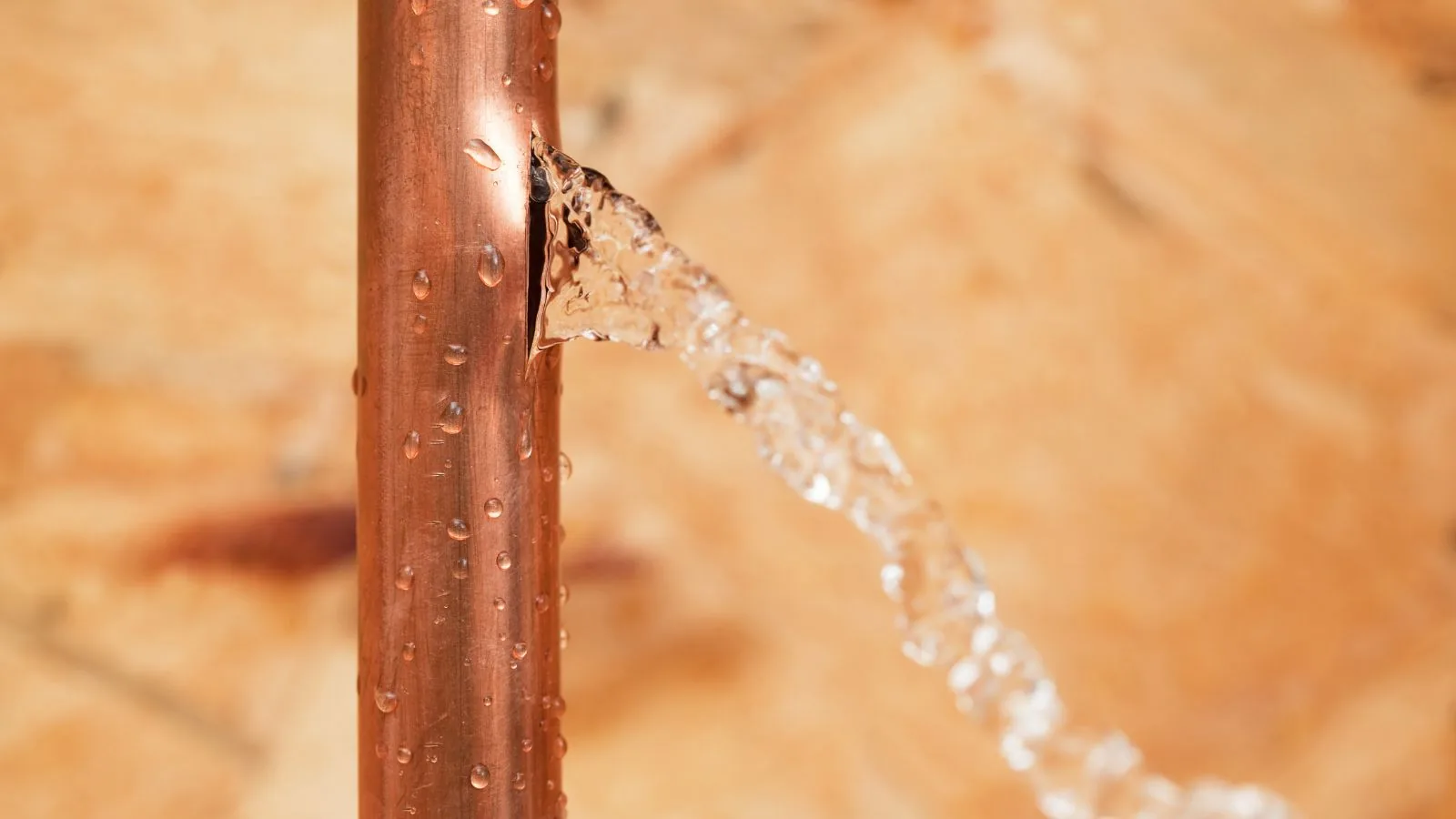
Water damage claims are some of the most common homeowners claims, and also some of the most confusing. Two homes with the same wet carpet can get very different answers because the water came from different places.
This guide explains the general pattern. It is not legal or insurance advice, and your policy is the final word. Use it to know what questions to ask your agent and what to gather before you call.
The Cause Decides the Answer
Most standard homeowners policies cover water damage that is sudden and accidental. A pipe that bursts, a water heater that fails or an appliance hose that splits fits that description. The damage that follows is often part of a covered claim.
The same policies commonly exclude flood, groundwater seepage and long term leaks. A basement that takes water through the walls after a storm is usually a flood or seepage question. A slow drip under a sink that rots a cabinet over months is often treated as maintenance.
Sewer and drain backups are a third category. Many policies exclude them unless you added a backup endorsement. Read the section on water backup in your declarations or ask your agent directly.
Insurers and restoration crews both lean on the ANSI/IICRC S500 water categories when they describe a loss, so knowing whether yours was Category 1, 2 or 3 helps you talk to your adjuster.
Common Situations and Typical Outcomes
| Situation | Often covered | Often excluded. |
|---|---|---|
| Burst or frozen pipe | Sudden damage to floors and walls | Gradual leaks or neglected plumbing. |
| Water heater failure | Resulting water damage | The heater itself, in many policies. |
| Appliance hose break | Resulting water damage | Wear and tear on the appliance. |
| Roof leak after wind damage | Interior damage if roof was damaged by a covered event | Leaks from an old, worn roof. |
| Surface flood or river water | Rarely, under standard policies | Usually excluded without flood coverage. |
| Sewer or drain backup | Only with a backup endorsement | Usually excluded otherwise. |
These are patterns, not promises. Deductibles, limits and endorsements change the outcome. Your declarations page lists them.
What to Do in the First Hours
Stop the water and protect the property. Insurers expect you to take reasonable steps to prevent more damage. That can include shutting off the main valve, moving belongings and starting extraction.
Take photos and video before you move anything. Write down the time you found the water. Keep receipts for emergency repairs and temporary housing. These records are the backbone of a claim.
Documents to gather before you call your agent
- Policy number and declarations page.
- Photos and video of the damage and source.
- A list of damaged items with approximate age and value.
- Receipts for emergency work.
- Moisture readings and drying logs from the restoration crew.
Document first, then call. We keep photos and readings for your claim.
Call (844) 950-6900How Restoration Records Support a Claim
A restoration crew records the source of water, the rooms affected and moisture readings over several days. Those records show an adjuster what was wet and why materials were removed. They also show when the structure was dry.
We do not decide coverage and we do not speak for your insurer. We document the work so the facts are clear. You choose whether to file and your insurer decides what to pay.
Ask your adjuster what documentation they want. Many accept photos, invoices and drying logs.
Should You File a Claim?
Filing is a personal decision. A small loss may cost less than your deductible, and claims can affect future premiums or renewal. A large loss is usually worth reporting. If you are unsure, call your agent and ask how a claim would be handled before you file.
The same questions apply whether you live in Middletown, Trenton or Franklin. The rules come from your policy, not your town.
Reading Your Policy Before You Need It
Take twenty minutes with your policy this month. Look for the water damage section, the exclusions, the deductible and any endorsements. Note whether you have sewer backup coverage and whether flood is covered.
Keep a digital copy of your policy and an inventory of valuables. Photograph each room once a year. If you ever have a loss, those photos make the claim much easier.
Ask your agent about coverage for sump pump failure and water backup. Those are common gaps in homes with finished basements.
Talking With Your Adjuster
When the adjuster visits, walk through the water path from the source to the farthest wet room. Show them photos taken before cleanup. Point out what you removed and why. If you started drying right away, explain what you did and when.
Keep notes on every conversation with your insurer. Write the date, the name of the person and what they said. If an answer is unclear, ask for it in writing. Clear records prevent disputes later.
If you disagree with a decision, ask your insurer about the appeal process. Your state insurance department also handles consumer complaints, and you can reach it through the Ohio Department of Insurance website.
Mistakes That Can Hurt a Claim
- Waiting several days to report the loss or start drying.
- Throwing away damaged items before photographing them.
- Making permanent repairs before the adjuster has seen the damage.
- Letting a small leak run for weeks without fixing it.
- Assuming flood and sewer backup are covered without checking.
Insurers expect you to limit further damage. They also expect the loss to be reported promptly. Both are easier when you call a crew quickly and keep records.
None of this ensures a payout. It does make your position clearer.
Deductibles and Small Losses
A deductible is the amount you pay before coverage begins. If your deductible is high and the loss is small, filing may not make sense. Some owners handle small losses on their own and keep claims for larger events.
Before you decide, get a scope from the restoration crew and compare it with your deductible. The numbers often make the choice clear.
Our Trenton and Franklin customers face the same math as Middletown owners. The policy, not the town, sets the terms.
Middletown Note: River Valley Coverage Questions
Middletown sits on the Great Miami River, and homes near the river or in low areas may be in a mapped flood zone. The FEMA flood map service lets you look up an address, and lenders sometimes require separate flood coverage in those zones. Ask your agent whether your home is in one so you know what a standard policy leaves out.
Many Middletown houses are older, with original plumbing and older roofs. Insurers often ask about the age of plumbing and roofing at renewal. If your home has older systems, ask what upgrades might help your coverage and reduce your risk.
Questions about this topic
Many policies cover sudden pipe breaks and the damage that follows. Terms vary, so check your policy.
Standard policies commonly exclude flood. Flood coverage is usually a separate policy.
Often only with a sewer backup endorsement. Ask your agent whether you have one.
It can, depending on your insurer and claim history. Ask your agent how claims affect your policy.
It depends on your address and your lender. Homes near the Great Miami River may be in a mapped flood zone. Check the FEMA flood map service and ask your agent.
Next steps in Middletown
If you have water in the house, start with water extraction and structural drying so the damage does not grow. We dispatch to Middletown, Trenton and Franklin. For pipe related losses see burst pipe cleanup.
If water is still in the house, call (844) 950-6900 any hour of the day or night.