
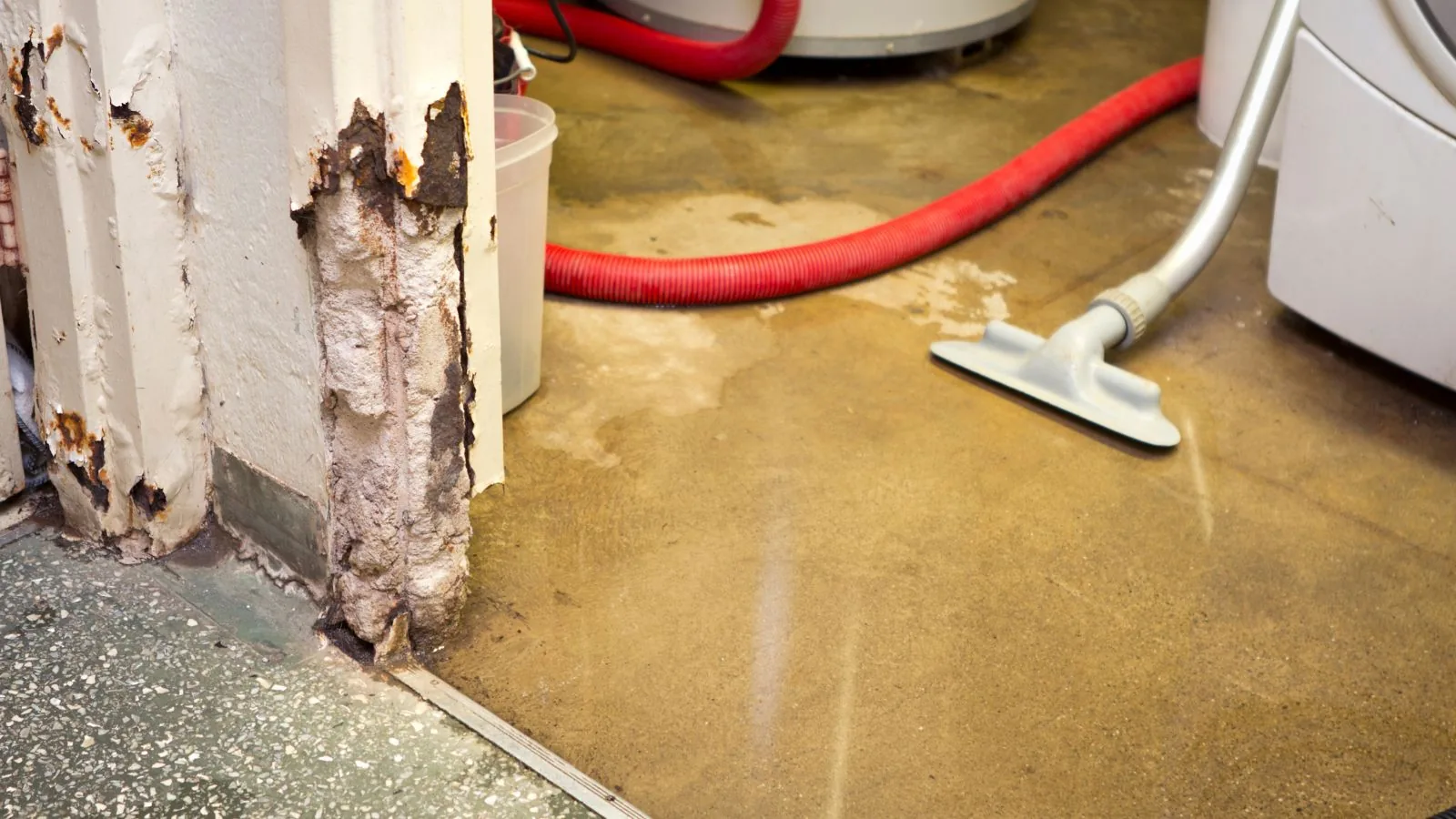
A bucket, a few towels and a fan can handle a small spill. They cannot handle water that has soaked into a wall, a subfloor or a ceiling cavity. The trouble is that it is hard to tell the two apart by looking.
This guide lays out the limits of DIY drying and the signs that it is time to call. It also lists the steps you can take on your own while you wait.
When DIY Is Reasonable
DIY drying works for small, clean water spills on non porous surfaces. A tipped bucket on tile, a sink overflow caught within minutes or a small spill on sealed vinyl can be handled with towels, a mop and fresh air.
The key conditions are clean water, a short exposure and a surface that does not absorb. If any of those is missing, the risk rises.
The ANSI/IICRC S500 standard rests on measured drying goals, which is the main thing a rented fan cannot give you on its own.
When to Call a Professional
- Water has been present for more than a day.
- Carpet, pad or wood flooring is wet.
- Walls, ceilings or cabinets are wet.
- The water is gray or may be contaminated.
- Water reached electrical outlets or fixtures.
- You can smell mustiness.
- The area is larger than a few square feet.
Any one of these is a reason to get a moisture check. Hidden water can stay in the structure for weeks.
What Professional Equipment Does Differently
| Task | DIY approach | Professional approach. |
|---|---|---|
| Water removal | Towels, wet vacuum | Pumps and weighted extractors. |
| Finding hidden water | Guessing by feel | Moisture meters and thermal imaging. |
| Air drying | Box fans | Air movers placed by moisture map. |
| Humidity control | Household dehumidifier | LGR dehumidifiers sized to the space. |
| Verification | Touch and smell | Daily readings against a drying goal. |
The biggest difference is verification. Without readings, you do not know when the structure is dry.
Unsure if it is dry? Ask about a moisture check.
Call (844) 950-6900The Risks of Getting It Wrong
Drying only the surface can leave water inside walls and floors. That moisture feeds mold and rot. Odor and warped flooring show up weeks later, when the cause is hard to trace.
Insurers may also question a claim if drying was not documented. Without records, they cannot see how wet the structure was.
What You Can Do While You Wait
Safe first steps
- Stop the water source.
- Turn off power to wet areas only if safe.
- Remove standing water with towels or a wet vacuum.
- Lift furniture off wet floors.
- Open windows or run the AC for air flow.
- Photograph everything.
These steps help any crew start from a better place.
A Middle Path: Ask for a Moisture Check
If you are unsure, ask for a moisture check. A crew can measure the structure and tell you whether it is dry or needs work. That check can save the cost of a full job or confirm that you need one.
Call and describe what happened. The dispatcher will tell you whether a visit makes sense.
A Realistic DIY Drying Plan for a Small Spill
- Stop the source and remove standing water with towels and a wet vacuum.
- Lift furniture and rugs off the wet area.
- Wipe hard surfaces with a mild cleaner.
- Run a dehumidifier and a fan in the closed room.
- Take readings with a rented or borrowed moisture meter each day.
- Continue until readings match a dry area of the house.
This works for a small clean water spill on a hard floor. It is a poor fit for carpet, wood floors or walls.
Expect to run equipment for several days. Stopping when the surface feels dry is the most common mistake.
Costs and Risks of Going It Alone
DIY saves labor, but it does not save the cost of mistakes. A wall closed over damp insulation can cost more to open again than the original job. Mold remediation costs far more than prevention.
Rented equipment also has costs. Fans and dehumidifiers are billed by the day, and without a plan you may rent them longer than needed. A moisture meter pays for itself if it keeps you from guessing.
| Risk | What can happen. |
|---|---|
| Stopping too early | Hidden moisture feeds mold and warps floors. |
| Wrong equipment size | Slow drying or wasted rental days. |
| No records | Harder to support an insurance claim. |
| Contaminated water handled without gear | Health risk to your household. |
When a Quick Call Saves Money
A short call to describe what you see costs nothing. The dispatcher can tell you whether the situation sounds like DIY or like a moisture check. If it sounds borderline, a check often costs far less than the repair that follows a missed problem.
Describe the source, the materials and how long the water has been there. Honest details help you get honest advice.
Recap: Match the Method to the Water
Small, clean and on a hard floor means you can likely handle it. Anything that touched carpet, wood, walls or ceilings deserves a reading from a meter. If you cannot get a reading, assume the structure holds more water than it looks like and call for help. The cost of a check is small next to the cost of a wall that stays wet.
Whatever you choose, keep notes and photos. They help you decide, and they help anyone who joins the job later.
Middletown Note: Rental Equipment and Humid Summers
Equipment rental stores in the area offer fans and dehumidifiers. They can help for small jobs, especially on dry days. In humid Ohio summers, a household dehumidifier may not keep up with a wet room, and opening windows can bring in more moisture than it removes.
If you rent equipment, ask for a moisture meter too. Take readings in the wet area and in a dry room, and compare. Keep running the equipment until the wet area matches the dry one.
Questions about this topic
For small, clean spills on hard surfaces, yes. For anything that soaked into materials, get a moisture check.
They move air but do not remove humidity. A dehumidifier is needed.
A moisture meter. Touch alone is unreliable.
It depends on your policy. Keep receipts and photos. Ask your agent.
Yes. Humid summers make DIY drying harder, so lean toward a moisture check.
Next steps in Middletown
Learn what crews do on our structural drying, carpet and water extraction pages. We serve Middletown, Trenton and Franklin.
If water is still in the house, call (844) 950-6900 any hour of the day or night.