
People often ask for a number of days. The honest answer is a range. A small, clean water leak on a hard floor may dry in two or three days. A soaked wall or a concrete slab can take a week or more.
The better question is how you know it is dry. Readings answer that. This guide explains what drives the timeline and how to read a drying log.
What Sets the Drying Time
Four things matter most. How much water got in, which materials it reached, how humid the air is and how well air can move across the wet surfaces. Change any one and the timeline shifts.
Dense materials such as hardwood, plaster and concrete release moisture slowly. Light materials such as carpet and drywall release it faster, though they absorb it faster too.
ANSI/IICRC S500 ties drying to measured goals, not to a calendar, so the honest answer to how long is always until the readings match the dry baseline.
Typical Ranges by Material
| Material | Often dries in | Notes. |
|---|---|---|
| Carpet and pad (extracted) | A few days | Pad is often replaced. |
| Drywall | Several days | Cut out if saturated. |
| Framing lumber | Several days to a week | Depends on thickness and air flow. |
| Hardwood flooring | One to several weeks | Slow drying prevents damage. |
| Concrete slab | One to several weeks | Holds water, test before flooring. |
| Plaster over lath | Several days to weeks | Dense and layered. |
Timelines can run shorter or longer. Daily readings tell the truth.
Why Humidity Matters
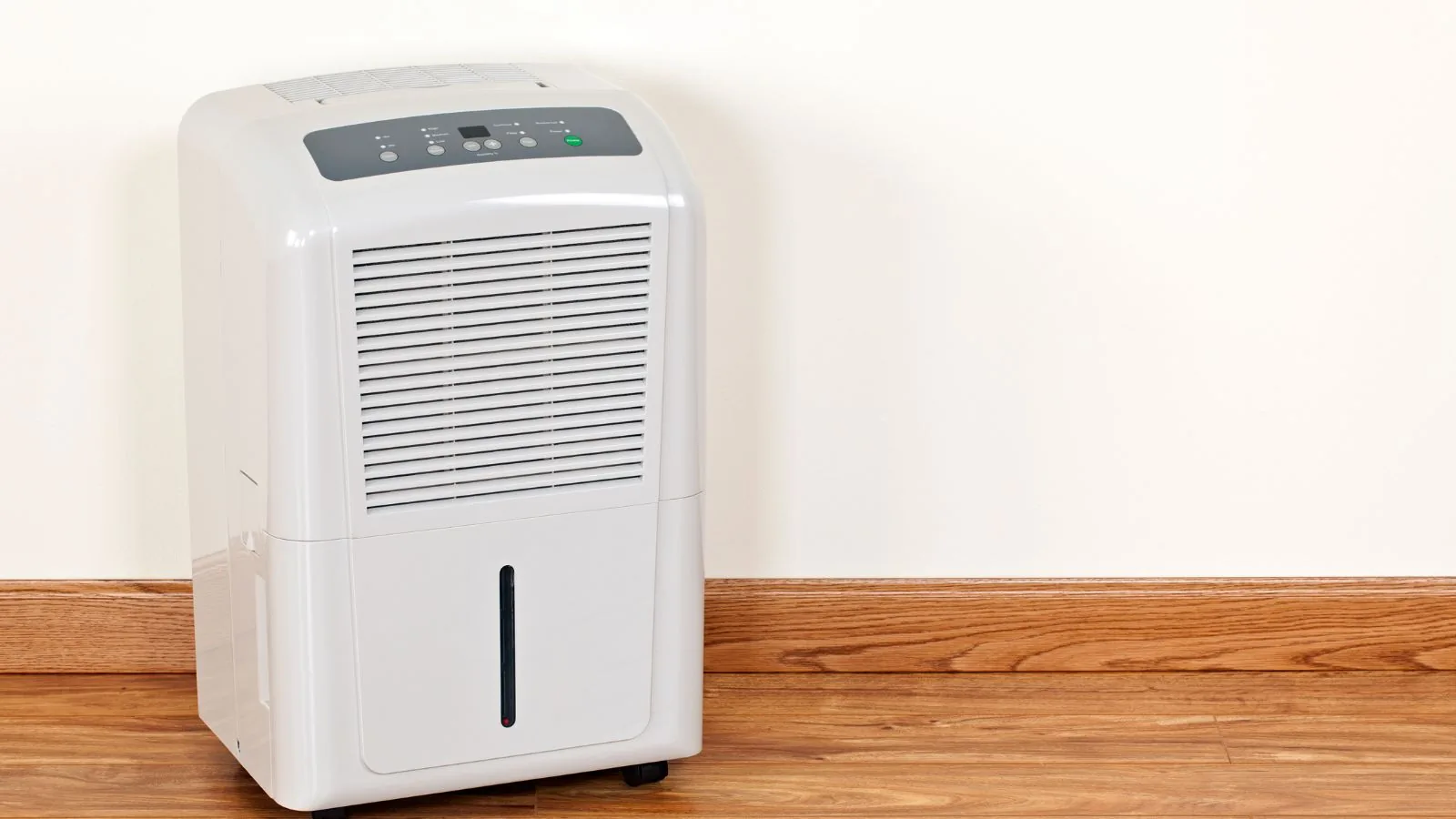
Drying works because air pulls water from materials. If the air is already full of moisture, it cannot take more. Dehumidifiers lower the humidity so air can keep drying the structure.
In a humid week, drying takes longer. In a dry winter week, it can go faster. Crews adjust equipment to the conditions rather than following a calendar.
Ask for the drying log. It shows when your home is really dry.
Call (844) 950-6900The Drying Log
A drying log lists readings from the same spots each day. You should see the numbers fall toward the baseline. When they stop falling, the crew checks for hidden water or adjusts equipment.
Ask to see the log. A clear log shows when each area reached its goal and when equipment was removed.
- Date and time of each visit.
- Moisture readings at marked spots.
- Air temperature and humidity.
- Equipment count and placement changes.
- Notes on removal or access.
Why It Feels Dry Before It Is
Surfaces dry first. The inside of a wall or the underside of a floor lags. A room can feel fine while the studs still read wet. Closing it up too early traps moisture and invites mold.
This is why a meter beats a touch test. If your contractor wants to close a wall, ask for the readings first.
What to Do While Drying Runs
- Keep doors and windows closed while dehumidifiers run.
- Do not turn off equipment to save noise or power.
- Keep pets and kids away from cords.
- Move belongings out of the wet zone.
- Tell the crew if you notice new stains or smells.
These small steps keep the timeline short and the results solid.
Class and Category Basics
The industry groups water damage by class and category. Class describes how much water the materials absorbed and how fast they will release it. Category describes how clean the water was. Both affect drying time and decisions.
The ANSI/IICRC S500 standard defines these terms for professionals. You do not need to memorize them, but you can ask the crew which class and category they assigned and why.
| Class | What it means | Drying outlook. |
|---|---|---|
| Class 1 | Small area, low absorbing materials | Shorter. |
| Class 2 | Whole room, carpet and pad | Moderate. |
| Class 3 | Water from above, saturated materials | Longer. |
| Class 4 | Dense materials such as hardwood or concrete | Longest, specialty tools. |
When Drying Stalls
Sometimes readings stop falling. Causes include hidden water behind cabinets, wet insulation, a slab holding water or equipment placed in the wrong spot. The fix is to search for the source of the stall rather than leaving equipment running longer.
Thermal imaging and extra probe readings help. The crew may open a small section of wall or lift a piece of flooring. These steps cost time now but save more later.
If you notice a smell or new stain while drying, report it right away.
What You Should See at the End
Signs the job is finished
- Readings match the baseline in every wet area.
- Equipment has been removed.
- Odors are gone or being treated.
- You have a copy of the log and final readings.
- A repair scope is listed.
Planning Your Week Around Drying
Expect noise, warmth and some limits on room use for several days. Equipment draws power, so avoid running other large appliances on the same circuits. Keep doors to drying rooms closed.
If you work from home, plan for a quieter room elsewhere. Tell the crew about your schedule so they can plan visits around it.
Recap: Judge the Job by the Readings
Days are only a rough guide. A dry floor and a dry wall are two different facts, and only readings tell you the second one. Ask for the log and watch the numbers fall toward the baseline.
If the numbers stall, ask what the next step is. A stalled log is a prompt to look for hidden water, not a reason to wait longer.
Middletown Note: Seasonal Drying Conditions
Southwest Ohio summers are warm and humid, which slows drying and puts more load on dehumidifiers. If a loss happens in July, expect equipment to run longer. Running your AC in the dried rooms can help once the crew approves it.
Winters bring cold air and low humidity, but cold walls and basements dry slowly because cool air holds less moisture. Heating the space helps, which is why crews often set temperature targets as well as humidity ones.
Questions about this topic
Often several days to a week or more, depending on depth, finishes and the concrete.
Several days if it can dry in place. Saturated drywall is usually cut out.
Fans help a little, but dehumidification is what removes water from the air. Without it, humid air can slow the process.
When readings match the baseline and any slab moisture test passes. Your contractor should check before installing.
Yes. Summer humidity slows drying, so crews use more dehumidification. Winter air is drier but cold walls dry slowly.
Next steps in Middletown
Learn more about structural drying, hardwood floor drying and basement cleanup. We serve Middletown, Trenton and Franklin.
If water is still in the house, call (844) 950-6900 any hour of the day or night.