
After a water loss, the pile of wet belongings can feel overwhelming. You want to save what you can, but you do not want to keep something that is unsafe or will grow mold.
This guide gives you a simple way to sort. It starts with the water type, moves to the material and ends with a few practical tips for documenting what you discard.
Sort by Water Type First
Clean water from a supply line is much more forgiving than sewage or floodwater. If you are not sure of the source, assume the water was contaminated for soft goods.
With clean water, many items can be dried and cleaned. With contaminated water, porous items are usually discarded. Hard items can often be disinfected.
The keep or toss guidance here follows the water categories in ANSI/IICRC S500, where contaminated water changes the answer for porous items.
Quick Reference by Material
| Item | Clean water | Contaminated water. |
|---|---|---|
| Solid wood furniture | Often dry and keep | Clean and disinfect, often keep. |
| Upholstered furniture | Maybe, with cleaning | Discard. |
| Mattresses | Rarely worth it | Discard. |
| Clothing and linens | Wash and dry quickly | Discard or professional cleaning. |
| Books and papers | Freeze or dry quickly | Usually discard. |
| Food | Discard anything touched | Discard. |
| Dishes and metal tools | Wash and sanitize | Wash and sanitize. |
| Carpet | Often kept if dried quickly | Discard. |
Food, Medicine and Cosmetics
Discard food that touched floodwater or sewage. Cans can be cleaned and sanitized if they are not dented or swollen. Throw away anything in porous packaging such as cardboard or plastic wrap that touched contaminated water.
Medicines and cosmetics that were in contact with water should be thrown out. Ask your pharmacist about replacing prescriptions.
Not sure what to save? Describe the water and we will guide you.
Call (844) 950-6900Building Materials
Wet insulation and carpet pad are usually removed. Drywall that is soft or sagging is cut out. Firm drywall can often be dried in place if the water was clean. Wood framing is almost always kept, dried and checked.
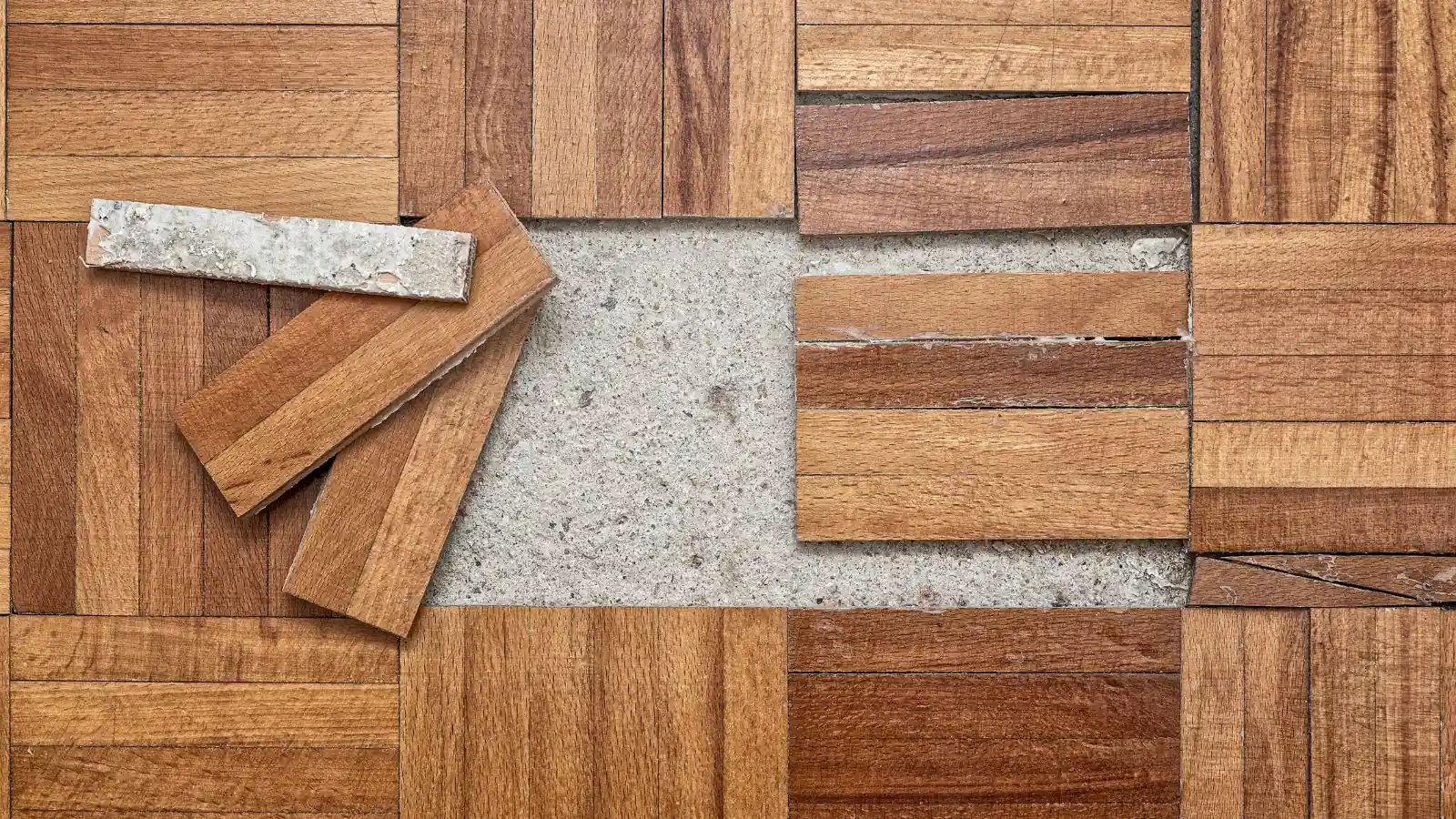
Hardwood flooring is the hardest call. Some floors recover, and some do not. Read our hardwood floor page for details.
Photograph Before You Discard
Take photos of every item before you toss it. Write down a short description, its age and approximate value. Keep a few items such as a lamp base or a label if your insurer asks.
This list is the heart of a contents claim. Without it, memory fades and value is hard to prove.
Discard checklist
- Photograph each item.
- Write a short description and approximate value.
- Place discards in heavy bags.
- Keep items the adjuster asks to see.
- Keep your list in a safe place.
Cleaning What You Keep
Hard goods can be washed with warm water and mild detergent, then sanitized with a diluted bleach solution if appropriate. Rinse and air dry. Do not mix cleaners.
Clothing should be washed as soon as possible. If you cannot wash it right away, rinse it and keep it damp in a bag rather than letting it dry stiff with mud.
Kitchen, Pantry and Medicine Cabinet Details
Food in sealed cans and jars can be saved if you wash and sanitize the outside. Throw away anything with a damaged seal or a swollen can. Discard food in cardboard, foil or plastic wrap that touched contaminated water.
In the bathroom, discard cosmetics and toiletries that were in contact with floodwater or sewage. Ask a pharmacist before using any medicine that got wet.
| Item | Usual decision. |
|---|---|
| Sealed cans, cleaned | Keep if undamaged. |
| Boxed or bagged food | Discard. |
| Refrigerated food after power loss | Discard if above safe temperature too long. |
| Opened cosmetics | Discard. |
| Prescription medicine | Ask a pharmacist. |
Tools, Toys and Decor
Metal tools can be washed, dried quickly and oiled to prevent rust. Plastic toys can be washed and sanitized. Stuffed animals and soft toys that touched contaminated water should be discarded.
Wooden decor may warp or stain. Dry it slowly and decide later whether it is worth refinishing. Framed art needs careful handling. Remove it from the frame gently and let it dry flat.
Hold onto sentimental items until you can decide calmly. If they are not a health risk, put them in a dry place and review them later.
Make a Simple Inventory
Make a list as you sort. Note the item, room, age and approximate value. Take one photo of each group. Keep the list in your phone and a copy in the cloud.
This inventory helps with insurance and with your own memory. A year from now you will not recall every item, and the list will.
- Room and item description.
- Brand or model if known.
- Age and approximate value.
- Photo reference.
- Keep, clean or discard.
Recap: A Short Rule of Thumb
Hard and clean can usually stay. Soft and wet from contaminated water usually goes. Everything in between deserves a closer look and a photo before you decide. When in doubt about a health risk, discard it and write it down.
Sorting takes a day or two of steady work. Break it into rooms so it does not feel endless.
Middletown Note: Donation and Disposal Planning
After a larger loss, you may have a lot of debris. Check with your trash hauler or the City of Middletown about bulk pickup rules and limits before piling items on the curb. Planning disposal ahead keeps the cleanup moving and avoids fines or missed pickups.
Items that survive but you no longer need can be donated once they are clean and dry. Many local charities do not accept items touched by floodwater or sewage, so ask before you load a truck.
Questions about this topic
Items touched by contaminated water that are porous, such as mattresses, upholstered furniture, food and carpet pad.
Sometimes if the water was clean and it dries fast. Contaminated water usually means discarding.
Rinse gently if muddy, then dry flat or freeze them until you can get help. See our guide on photos and documents.
Photograph them. Keep what the adjuster asks to see.
Check with your trash hauler or the city about bulk pickup rules before you set items out.
Next steps in Middletown
For floors and carpet, see carpet restoration and hardwood floor repair. We serve Middletown, Trenton and Franklin. For sewage related losses see sewage backup cleanup.
If water is still in the house, call (844) 950-6900 any hour of the day or night.