
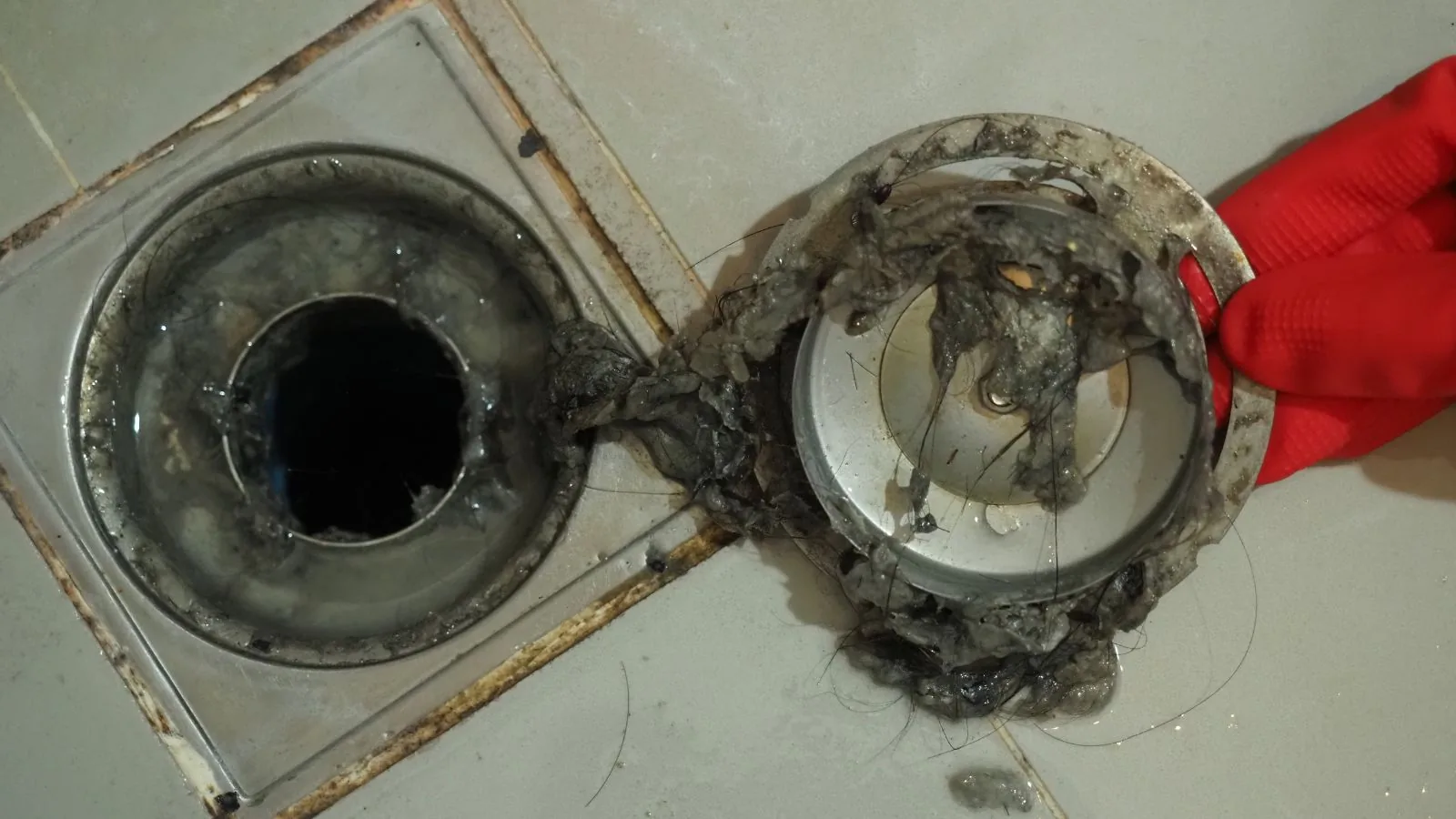
When a restoration crew says Category 3, they are talking about the cleanliness of the water, not the amount. The categories come from an industry standard and shape almost every decision that follows.
Understanding them helps you follow what the crew is doing. It also explains why one wet carpet can be saved and another goes to the curb.
Category 1: Clean Water
Category 1 water comes from a sanitary source such as a broken supply line, a faucet left running or a clean ceiling leak from a pipe. It is not harmful at the moment it is released.
Clean water does not stay clean forever. As it sits on flooring, dust and bacteria get in. After a day or two it can degrade into Category 2. Speed matters.
These category and class definitions come from the ANSI/IICRC S500 standard, which is the published reference restoration professionals use for water damage.
Category 2: Gray Water
Category 2 water has some contamination. Examples include washing machine overflow, dishwasher discharge and water from a sump pump failure. It may cause illness if consumed or in some cases through contact.
Porous materials such as carpet pad are usually removed. Carpet may be cleaned and dried depending on the situation. Hard surfaces are cleaned and dried.
Category 3: Black Water
Category 3 water is grossly contaminated. It includes sewage, floodwater from rivers and streams and water from outside that crossed soil. It may carry bacteria, viruses and other harmful substances.
Porous materials that touched Category 3 water are removed and discarded. Hard surfaces are cleaned and disinfected. Workers use protective gear and containment.
| Category | Examples | Typical handling. |
|---|---|---|
| 1 | Supply line break, clean ceiling leak | Extract and dry, most materials stay. |
| 2 | Washer overflow, dishwasher discharge | Extract, clean and remove pad. |
| 3 | Sewage, river flood, groundwater intrusion | Containment, removal, disinfection. |
Unsure of the water type? Tell the dispatcher what you see.
Call (844) 950-6900How Categories Change Over Time
Water categories can worsen. Clean water that sits for two or three days on porous materials can become Category 2. Gray water that sits longer can become Category 3. That is one reason fast response matters.
Temperature, humidity and contact with dirt speed the process. A warm summer basement will degrade water faster than a cold one.
Classes: A Different Scale
Besides categories, restoration uses classes to describe how much water materials absorbed. Class 1 is the least and Class 4 involves dense materials such as hardwood or concrete. Class affects drying time and equipment.
Category and class are separate. A Category 1 loss can be Class 3, and a Category 3 loss can be Class 1. Both numbers guide the plan.
- Category = how clean the water was.
- Class = how much water the materials absorbed.
- Both together decide equipment and removal.
What to Do Before the Crew Arrives
If you know the source, tell the dispatcher. If you are unsure, say so. Treat unknown water as Category 2 or 3 until a crew assesses it.
Avoid contact with water if sewage or floodwater is possible. Wear gloves and boots if you must enter. Wash hands and clothing afterward.
Information to share on the call
- Where the water came from.
- How long it has been there.
- What it touched.
- Whether it smells or looks cloudy.
- Whether children or pets were exposed.
Why Categories Change What Gets Thrown Away
Category is the main reason two similar looking floods lead to different outcomes. A bathroom floor soaked by a supply line break can often be dried in place. The same floor soaked by a backed up drain usually loses its carpet, pad and lower drywall.
The distinction exists to protect people. Porous materials act like sponges and hold contaminants where cleaning cannot reach them. Removing them is slower and costs more up front, but it prevents odors, illness and repeat problems.
Hard materials such as concrete, tile and framing lumber can be cleaned and disinfected. That is why a Category 3 job still saves a lot of the building.
Common Mistakes With Water Categories
- Assuming clear water is clean water, when it may have picked up soil or bacteria along the way.
- Mopping gray water and carrying it into clean rooms on shoes.
- Running the HVAC system during a contaminated water event, which can spread particles.
- Waiting several days on a Category 1 loss and letting it degrade.
- Keeping porous items touched by Category 3 water because they look fine.
Each mistake makes a manageable situation harder. When in doubt, treat the water as one category worse than it looks and ask a professional to assess it.
How a Crew Assesses the Category
The crew asks where the water came from, how long it sat and what it touched. They look at color, smell and debris. They also check whether the water passed through soil, insulation or a drain before reaching your floor.
Based on that, they assign a category and a class, then write the plan. If new information appears, such as a cracked drain line behind a wall, the category can change and so can the plan.
Recap: Remember the Three Levels
Category 1 is clean, Category 2 has some contamination and Category 3 is grossly contaminated. Categories can worsen with time, and they decide what can be saved. Classes describe how much water the materials absorbed.
Tell the dispatcher what you know about the source. It shapes the plan from the first hour.
Middletown Note: Storms, Sewers and Category Changes
In river valley communities like Middletown, heavy rain can overload drains and push water into basements through floor drains. That water is generally treated as Category 3. If you see water coming up from a drain after a storm, assume it is contaminated and keep clear.
Rain that enters through a roof is usually cleaner but can pick up insulation and dust on the way down. If it sits for days, it can degrade. Call the same day if you can so the category does not worsen.
Questions about this topic
Grossly contaminated water such as sewage or river floodwater. It requires protective handling and removal of porous materials.
It can worsen over time as it picks up contaminants. Fast action keeps it in a lower category.
Often yes, because the water carries detergent and soil. The crew assesses each case.
Sometimes after cleaning, though the pad is usually replaced. It depends on the situation.
Usually Category 1 or 2 at first. It can worsen if it sits, so call quickly.
Next steps in Middletown
See how categories affect work on our sewage backup, flood damage and water extraction pages. We serve Middletown, Trenton and Franklin.
If water is still in the house, call (844) 950-6900 any hour of the day or night.