
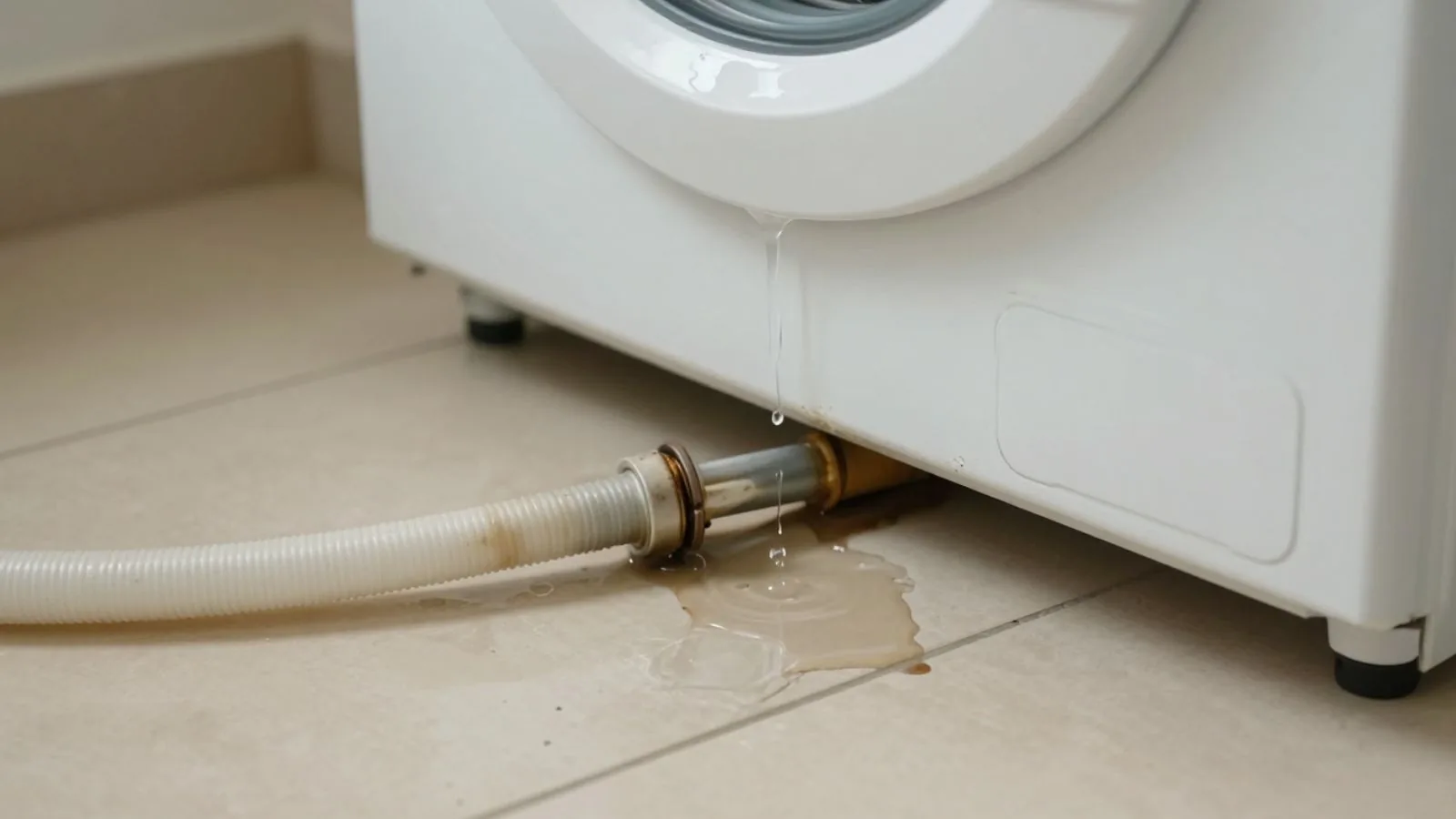
Electronics and water create two risks. One is shock or fire. The other is damage to the device. Both are reasons to slow down and avoid the urge to plug something in to see if it works.
This guide explains the safest order of operations when electronics get wet. It covers small devices, large appliances and the building electrical system.
Safety First: Power and Standing Water
If water is on the floor near outlets, power strips or appliances, do not step into it. Contact with water and live electricity can cause serious injury. Turn off power at the breaker only if you can reach it without standing in water.
If you cannot reach the panel safely, stay out and call your electric utility or an electrician. Do not touch wet cords or plugs.
ANSI/IICRC S500 lists electrical hazards among the first safety checks on a water job, and the same caution applies to anything plugged in at your house.
Small Electronics
Phones, laptops, tablets and TVs should be unplugged if it is safe, powered off and left alone. Do not try to turn them on. Remove batteries if you can. Wipe the outside gently.
Rice does not do much. The better step is to keep devices in a dry, ventilated place and have a repair shop open them. Water damage often causes corrosion that appears days later.
Steps for a wet device
- Do not power it on.
- Unplug and remove battery if possible.
- Wipe the exterior gently.
- Keep in a dry, ventilated place.
- Take it to a repair shop soon.
- Back up data once it is safe to do so.
Large Appliances and Outlets
Refrigerators, washers, dryers, ranges and water heaters should not be used after being in water until a qualified technician checks them. Water can damage motors, controls and wiring.
Outlets and switches that were wet should be checked by an electrician before use. Even if they seem to work, moisture inside can cause failure later.
| Device | Next step. |
|---|---|
| Phone, laptop, tablet | Power off, repair shop. |
| TV and game console | Unplug, let a technician inspect. |
| Refrigerator | Do not run until checked, discard food. |
| Washer and dryer | Technician inspection. |
| Wet outlets and panel | Electrician before restoring power. |
Keep clear of wet electrical. Call and describe what got wet.
Call (844) 950-6900The Electrical Panel and Wiring
A wet panel is an emergency. Call your utility or an electrician and stay away. Do not flip breakers if the panel is wet or the floor is wet.
Wiring inside wet walls can be damaged even if outlets seem fine. A restoration crew can map moisture and flag affected areas. An electrician decides what can be reused.
Data and Documents on Devices
If you have backups, you are in good shape. If not, a data recovery professional can sometimes recover data from damaged drives. Do not power on a wet drive. Keep it dry and call a specialist.
Take note of what was on the device and when you last backed up. This helps with recovery and with insurance.
Insurance and Replacement
Electronics fall under contents coverage in many policies. Take photos of damaged devices, including serial numbers and labels. Keep receipts if you have them.
Do not throw away devices until your insurer has had a chance to ask for them. A short list with brand, model and age helps.
Warning Signs That a Device Is Unsafe
- A burning or chemical smell near a charger or outlet.
- Sparks, popping sounds or a hot plug.
- A breaker that trips again after you reset it.
- A device that works briefly and then shuts off.
- Corrosion or green residue on contacts.
If you see any of these, unplug the device if you can do so safely and stop using it. Do not use a charger that was wet. Water on a power adapter can create a shock or fire risk.
Call an electrician for anything connected to the building wiring.
Chargers, Batteries and Power Strips
Power strips and extension cords that were wet should be thrown away. Rechargeable batteries can short out when wet and may swell or overheat. Place them on a nonflammable surface away from other items and contact your local household hazardous waste program for disposal.
Do not charge a swollen or damaged battery. It can ignite.
| Item | Recommended step. |
|---|---|
| Power strip or cord | Discard. |
| Phone or laptop battery that swelled | Stop using, dispose safely. |
| Smoke detector that got wet | Replace. |
| Space heater | Do not use, replace. |
Protecting Electronics Before the Next Event
Keep computers, routers and media equipment off the floor, especially in basements. Use shelves or wall mounts. Back up devices to the cloud so a loss does not wipe your files.
Install a battery backup and surge protector for sensitive equipment. A leak sensor near electronics can warn you before water reaches the cables.
Label your breaker panel clearly. In an emergency you should be able to find the right switch without hunting.
Recap: Safety Before Salvage
Your safety comes first, the device second, the data third. Unplug only when you can do it dry. Leave wet devices off. Let an electrician clear any outlet or panel that took on water before you restore power.
Back up what matters and keep your devices off the floor. Both habits save more money than any repair.
Middletown Note: Storm Outages and Surges
Storms in southwest Ohio can cause power outages and surges. When the power comes back on, wet equipment can fail dangerously. After a storm, check the basement and utility rooms for water before restoring power to a flooded area. If water reached outlets or appliances, wait for an electrician.
Use surge protectors for sensitive equipment, and keep devices off the basement floor. If your basement tends to take water, raise the furnace controls and electrical items where possible. That limits what a wet event can reach.
Questions about this topic
Yes if you can do so safely. Do not step in water to reach a cord.
It helps little. Power it off and have it repaired quickly.
Not until a technician checks it. Discard food that was affected.
If water reached outlets, appliances or the panel, call before restoring power.
Outages and surges can add risk. Check for water before restoring power.
Next steps in Middletown
If a wet area needs drying, see structural drying and wall and drywall repair. We serve Middletown, Trenton and Franklin. For basement events see basement cleanup.
If water is still in the house, call (844) 950-6900 any hour of the day or night.