
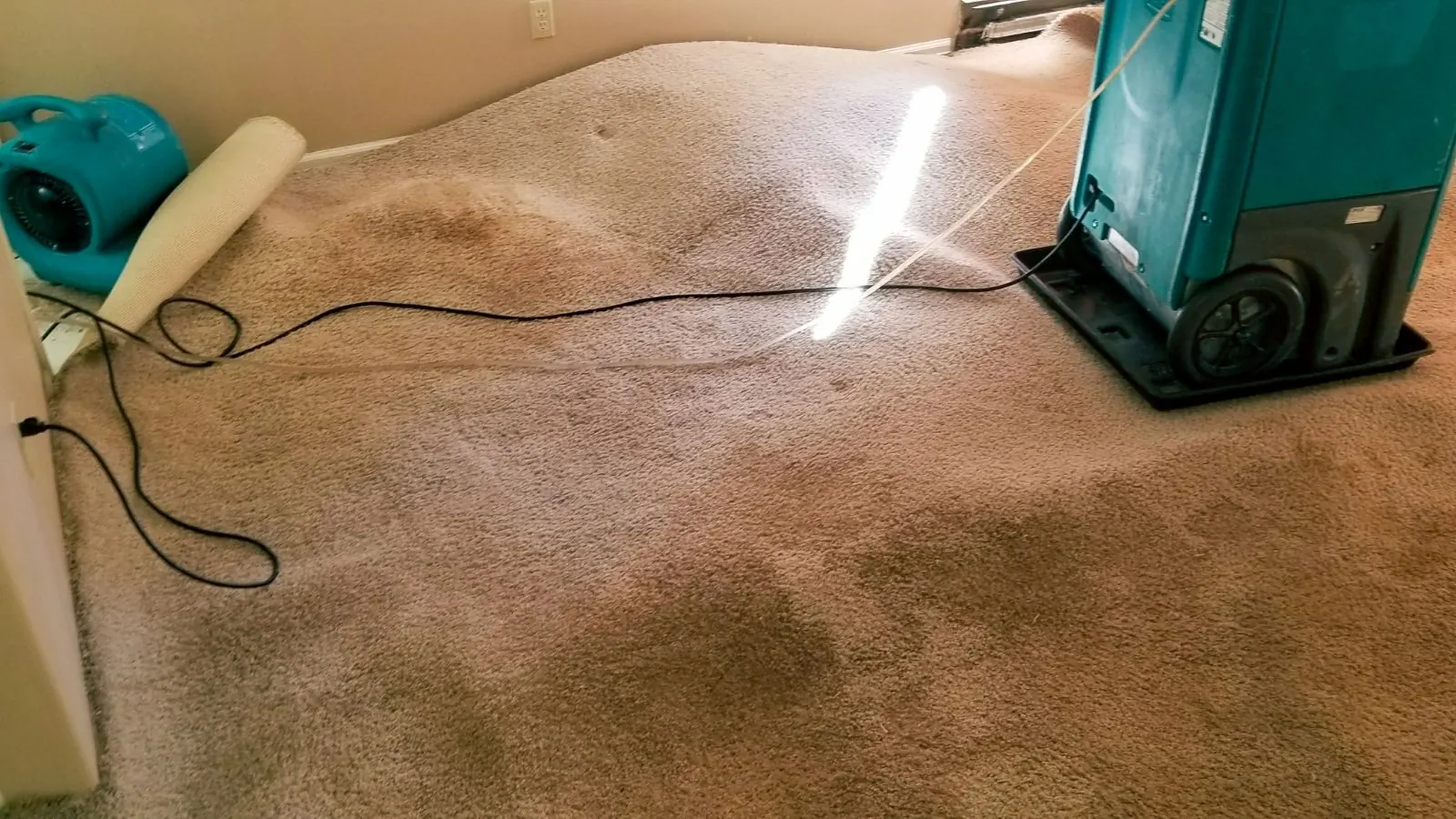
A wet mattress or sofa is hard to save, and it is hard to give up. These items are expensive and they hold sentimental value. The question is whether they can be dried and cleaned safely.
The answer depends on the source of water and how long the furniture stayed wet. Clean water from a supply line gives you a real chance. Floodwater or sewage usually does not.
First, Know the Water Type
Water from a broken supply line or a clean ceiling leak is generally the least risky. Water from a washing machine drain, a toilet overflow or a flooded yard is more contaminated. Sewage and floodwater are the worst.
For soft goods, contaminated water is usually a reason to discard. Cushions and mattresses absorb bacteria and cannot be disinfected fully. If you are not sure of the source, treat the water as contaminated.
The ANSI/IICRC S500 standard is the reason contaminated water usually ends the conversation for upholstered goods, since porous contents cannot be disinfected reliably.
What You Can Often Save
| Item | Clean water, fast action | Contaminated water. |
|---|---|---|
| Foam mattress | Sometimes, if only the surface was wet | Discard. |
| Innerspring mattress | Rarely, hard to dry inside | Discard. |
| Upholstered sofa | Sometimes with professional cleaning | Discard. |
| Solid wood furniture | Often dried and refinished | Often cleaned and kept. |
| Leather furniture | Case by case | Usually discard. |
| Pillows and cushions | Washable ones can be laundered | Discard. |
These are general patterns. A professional drying and cleaning assessment gives a better answer for valuable items.
How to Dry a Wet Sofa Quickly
Move it to a dry area right away, ideally outside in the sun if weather allows. Remove cushions and stand them on edge so air reaches all sides. Blot with clean towels. Do not rub, which pushes water deeper.
Use a wet vacuum on upholstery if you have one with a gentle attachment. Then use fans and a dehumidifier in the room. Avoid direct heat, which can shrink fabric and set stains.
Quick steps for a wet sofa
- Move to a dry, ventilated area.
- Remove cushions and cushion covers.
- Blot, do not rub.
- Extract with a wet vacuum if available.
- Dry with air flow and a dehumidifier.
- Check for odor after 48 hours.
Furniture is part of the job. Tell the dispatcher what got wet.
Call (844) 950-6900What to Do With a Wet Mattress
Stand it on its side so water drains out. Press towels into the surface to pull out moisture. A wet vacuum helps. Dry in a warm room with fans and a dehumidifier. Sunlight can help dry and freshen a mattress.
If the mattress stays damp deep inside, mold can grow within days. A musty smell means it did not dry. Replacement is usually safer than keeping a mattress that smells sour or shows spotting.
Protecting the Floor and Walls Behind the Furniture
Wet furniture can leave stains and trap moisture against walls and floors. Lift legs onto foil or plastic blocks. Move furniture away from walls so air flows. Photograph everything before you move it.
If the floor beneath is carpet, ask about our carpet restoration steps. If it is wood, see hardwood floor repair.
Replacement and Insurance Notes
Keep a list of discarded items with age, brand and approximate cost. Photograph each one before disposal. If your insurer wants to see an item, they will tell you. Do not throw away items before documenting them.
Contents coverage is separate from structure coverage in many policies. Ask your agent how contents are handled.
Cleaning and Deodorizing After Drying
Once a sofa is dry, a professional upholstery cleaner can extract remaining stains and odors. Test cleaners on a hidden spot first. Some dyes bleed when wet. Baking soda sprinkled on fabric and vacuumed after several hours helps with light odors.
Do not use strong fragrances to mask smells. If odor returns after drying, the filling is still damp or contaminated. At that point replacement is usually the better choice.
Wooden frames can be wiped with a mild cleaner and dried completely. Check joints and springs for rust or warping.
Special Cases
Memory foam holds water and dries slowly. Latex is more forgiving but still needs good airflow. Pillow top mattresses have layers that trap moisture, so they are the hardest to save.
Antique or sentimental pieces deserve a professional opinion. A restorer can tell you what is possible before you decide.
Children's mattresses and bedding in a wet room are worth replacing if there is any doubt about contamination.
Prevent Furniture Damage Next Time
- Keep furniture a few inches from exterior walls in basements.
- Raise legs on risers in rooms prone to water.
- Store seasonal cushions in plastic bins.
- Place water sensors near laundry and water heater areas.
These simple moves help in any emergency and cost very little.
Sleeping Arrangements While You Wait
If a mattress is out of use, a temporary option keeps the household comfortable. Air mattresses and folding cots are inexpensive. Check that nothing in the room is still damp. Sleeping in a room with wet carpet is not a good idea.
Children and anyone with asthma or allergies should sleep in a dry room away from the affected area. Watch for coughing or irritation.
Middletown Note: Summer Humidity and Drying Furniture
Summers in southwest Ohio can be humid, and humid air slows the drying of upholstery. Drying a sofa outdoors on a damp day may not work as well as drying it in an air conditioned room with a dehumidifier. Plan to use the dehumidifier or the AC rather than relying on open windows.
In winter, dry indoor air helps, but heaters can overdry fabric. Keep furniture a few feet from heat sources so the fabric does not shrink or crack.
Questions about this topic
Sometimes, if the water was clean and only the surface was wet. Deep saturation or any contamination usually means replacement.
It is slow and can overheat fabric. Use fans, a dehumidifier and blotting instead.
Mold can start within a couple of days in damp conditions. Quick drying lowers the risk.
If the water damage is covered, contents coverage may apply. Check your policy and talk to your agent.
On a dry, sunny day, yes. On a humid or rainy day, dry it indoors with a dehumidifier.
Next steps in Middletown
If water reached the floor, see water extraction and carpet restoration. Crews serve Middletown, Trenton and Franklin. For a large leak, call the 24/7 line.
If water is still in the house, call (844) 950-6900 any hour of the day or night.